Superchargers vs Turbochargers: Which Is Right for You?
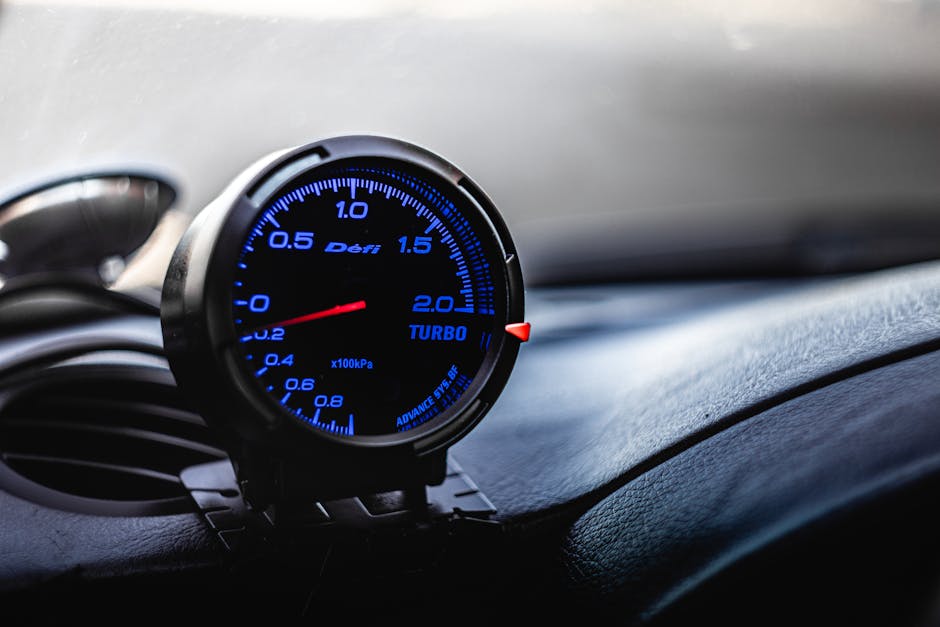
When considering forced induction for your car, the choice between a supercharger and turbocharger significantly impacts performance, drivability, and ownership experience. Both systems increase engine power, but they work differently and suit different driving styles.
How they differ:
Superchargers are belt-driven directly from the engine's crankshaft, providing instant boost response. There's no lag—as soon as you press the accelerator, you feel the extra power. This makes superchargers ideal for street cars and daily drivers where immediate throttle response matters.
Turbochargers use exhaust gases to spin a turbine that compresses incoming air. They're more efficient and can produce higher power levels, but they suffer from turbo lag—a brief delay before boost kicks in. This lag has improved dramatically in modern turbochargers, but it still exists.
Supercharger advantages:
- Instant power delivery with no lag
- Linear power curve that feels natural
- Simpler installation on many vehicles
- Lower heat generation
- More reliable for daily driving
- Less complex tuning requirements
Turbocharger advantages:
- Higher potential power output
- Better fuel efficiency under normal driving
- Smaller package fits more engine bays
- Better for high-altitude driving
- Lower engine bay temperatures
- Easier emissions compliance
Superchargers use engine power to drive the compressor, which increases fuel consumption noticeably. You'll see a 15-25% increase in fuel use when driving hard. Turbochargers are more efficient because they recycle waste exhaust energy, so fuel economy impact is less severe.
Maintenance differs significantly. Superchargers need regular belt and oil changes but have fewer moving parts. Turbochargers require frequent oil changes and careful heat management, but they're generally more durable if properly maintained. Turbo seals can fail if the engine overheats or if you drive hard immediately after starting.
Heat management is easier with superchargers. The compressed air from a supercharger is slightly warm, whilst turbochargers produce extreme heat. You'll need a more sophisticated cooling system for turbocharged cars, adding cost and complexity.
For UK drivers doing mostly urban and motorway driving, a supercharger offers better responsiveness and easier maintenance. For those seeking maximum power or towing capacity, a turbocharger's efficiency and output potential wins out. Consider your driving style, budget, and technical comfort level before deciding.
Many modern cars come factory-turbocharged, so if you own one, upgrading the existing turbo is simpler than adding a supercharger. Conversely, if your car has a naturally aspirated engine and you want simple, reliable boost, a supercharger is often the better choice.